

What happens to a patient when the system designed to connect them to care can’t handle the complexity of actually doing it? At Mobile World Congress 2026 in Barcelona, that question stayed present beneath four days of conversations about 6G, AI-driven connectivity, and the future of mobile technology. Because having the infrastructure and knowing what to build on top of it are two very different conversations.
The Gap Between Digital Health Ambition and Reality
The ambition is everywhere. Patient portals, telehealth platforms, remote monitoring, digital payment systems… healthcare organisations know what they need to build. The technology, as MWC made abundantly clear, exists.
And yet for many healthcare SMEs, the distance between roadmap and reality keeps growing. Understaffed IT teams. Legacy clinical systems that resist every attempt at modernisation. Integration challenges between EHR platforms, lab systems, insurance APIs, and payment providers that were never designed to talk to each other. And a hiring market for specialist healthtech engineers that has been tight for years and shows no sign of loosening.
The result is a backlog of digital health initiatives that never quite ship, and patients who wait longer than they should for access they were promised.
Connectivity Without the Right Software Is Just Infrastructure
MWC is the world’s largest stage for connectivity. 5G, 6G, IoT, edge computing and AI; the conversations are fast and genuinely exciting. But walking the floor at Fira Gran Via, what struck us most wasn’t the technology itself. It was the gap between what the infrastructure promises and what most healthcare organisations can actually build on top of it.
A hospital can have world-class connectivity and still fail to connect a patient to a doctor. Still fail to process a payment across borders. Still fail to give a clinician real-time visibility into medication compliance. Not because the network isn’t fast enough, but because the software wasn’t built to handle it.
That’s not a connectivity problem. It’s an engineering problem.
What the Questions at Booth 7H11 Had in Common
Four days at MWC means a lot of conversations. And after a while, a pattern starts to emerge. The companies stopping by weren’t asking about the same things, but they were all circling the same underlying problem: the technology was moving faster than their teams could build on top of it.
The questions at our stand tended to fall into a few recurring themes:
- “We need to modernise our payment infrastructure but can’t afford to break what’s already running” → that’s healthcare payment systems: streamlined processing and remittance flows built to work across multiple sources and geographies without disrupting existing operations
- “Our EHR and lab systems don’t talk to each other and nobody knows how to fix it” → that’s integration work: connecting fragmented clinical platforms into something providers and patients can actually rely on
- “We want to launch a patient portal but our internal team is already at capacity” → that’s where team augmentation comes in: specialised engineering capacity that moves with your roadmap, not against it
- “We’ve been burned by platforms that couldn’t scale” → that’s architecture: built to grow with your user base from day one, not retrofitted when it’s already too late
- “We need to be HIPAA and GDPR compliant but we’re not sure our current setup is” → that’s compliance: designed in from the first line of code, not added as an afterthought
Different questions. Same gap between planning and execution.
800 Million People. One Platform. Built From Scratch.
Numbers in healthtech can feel abstract. This one doesn’t.
WiiQare is a healthcare payments platform built as part of a UNICEF pilot programme with a single goal: facilitating access to healthcare for over 800 million people in Africa. The challenge wasn’t just technical, it was human. Streamlining complex payment processes and intricate remittances across multiple sources, currencies, and geographies into a platform simple enough for patients and reliable enough for providers to trust.
Our team built that ecosystem from the ground up. Payment flows, cross-border remittances, provider and patient interfaces, and all of it, on .NET, Angular, iOS, and Android. The platform continues to evolve as WiiQare expands its reach across the continent.
Read the full WiiQare case study
Back From Barcelona
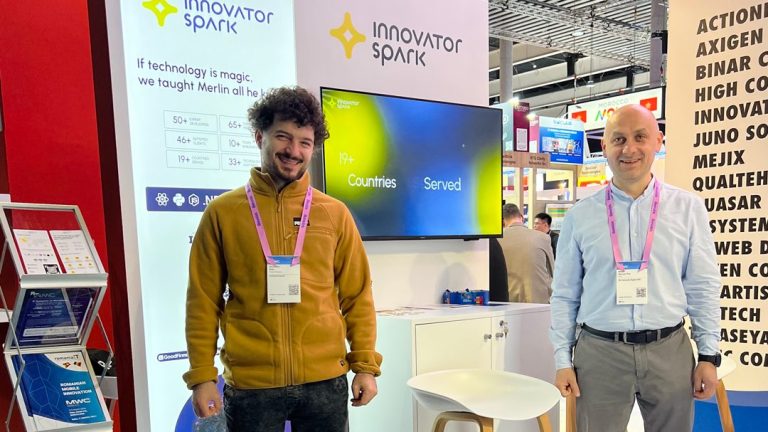
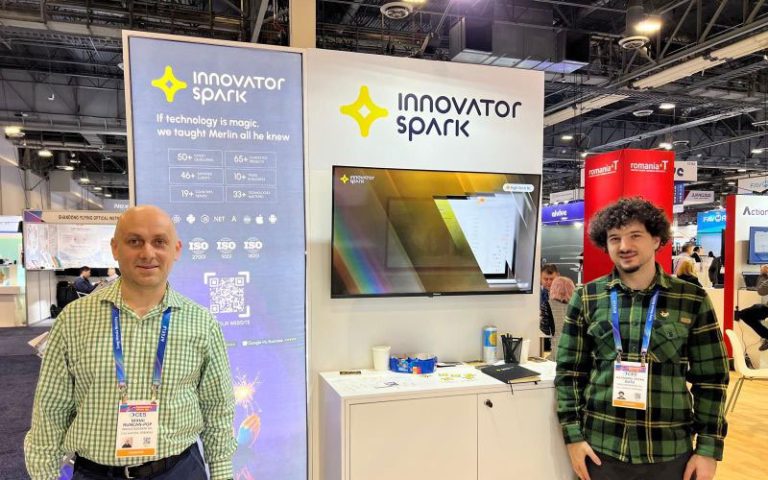
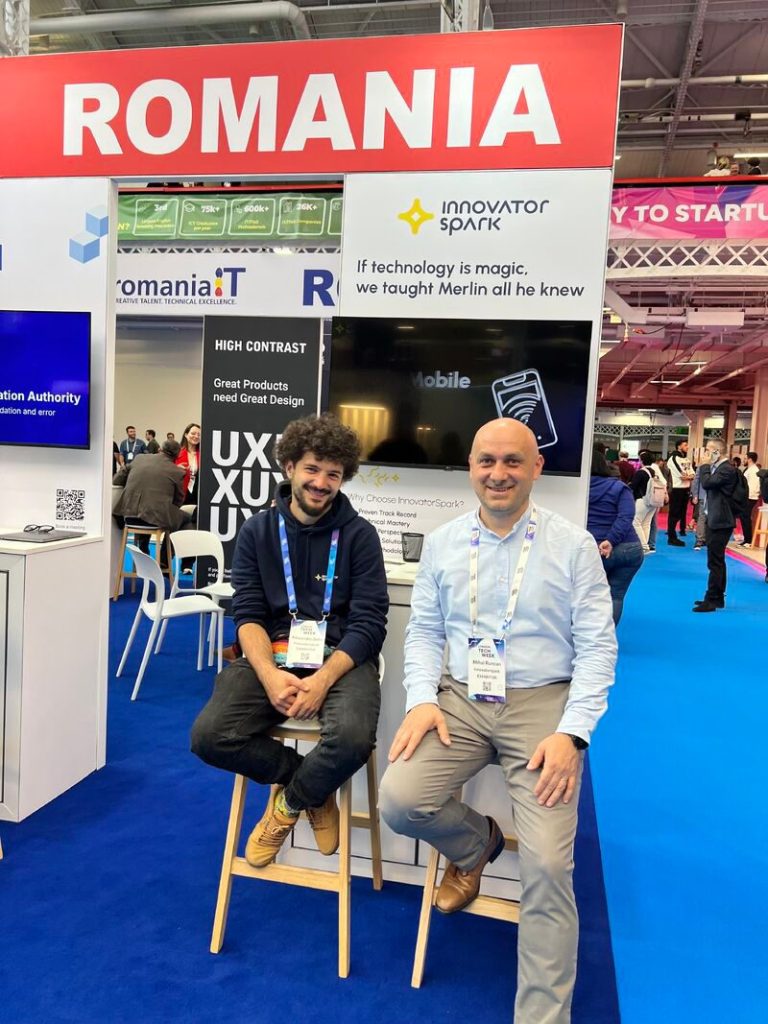
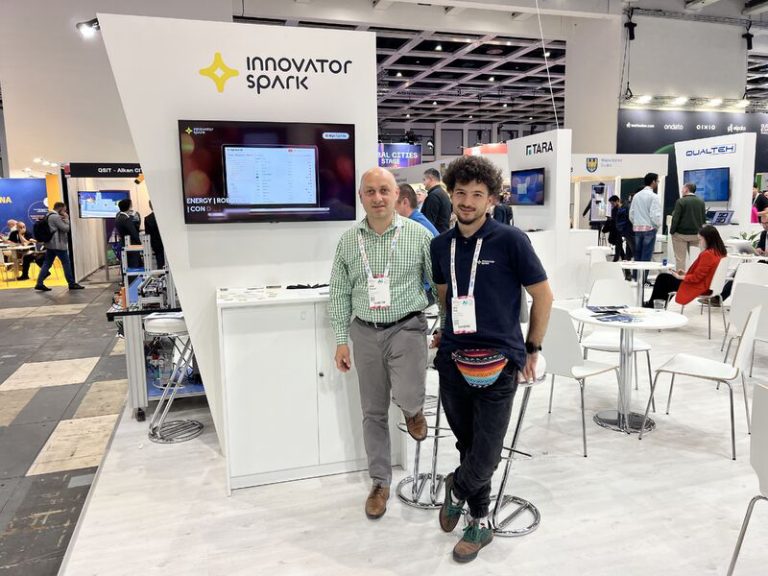
From March 2 to 5, 2026, Mihai Runcan and Alexandru Dutu represented InnovatorSpark at MWC Barcelona as part of the Romanian Pavilion. Four days of conversations that reinforced something we already believed: the companies that will define the next decade of digital health aren’t waiting for better infrastructure. They’re building better software on the infrastructure they already have.
On the margins of MWC, Mihai also attended an event organised by the General Consulate of Romania in Barcelona, alongside ARIES-TM. A different kind of conversation but part of the same story: Romanian tech earning its place, one relationship at a time.
If your team knows what needs building but hasn’t been able to get there, that’s exactly the conversation we’re here for.
Laia Esteve | Digital Marketing | Market Research Specialist